
Swimming Pool Inspection Before You Buy a Home in Bucks or Montgomery County
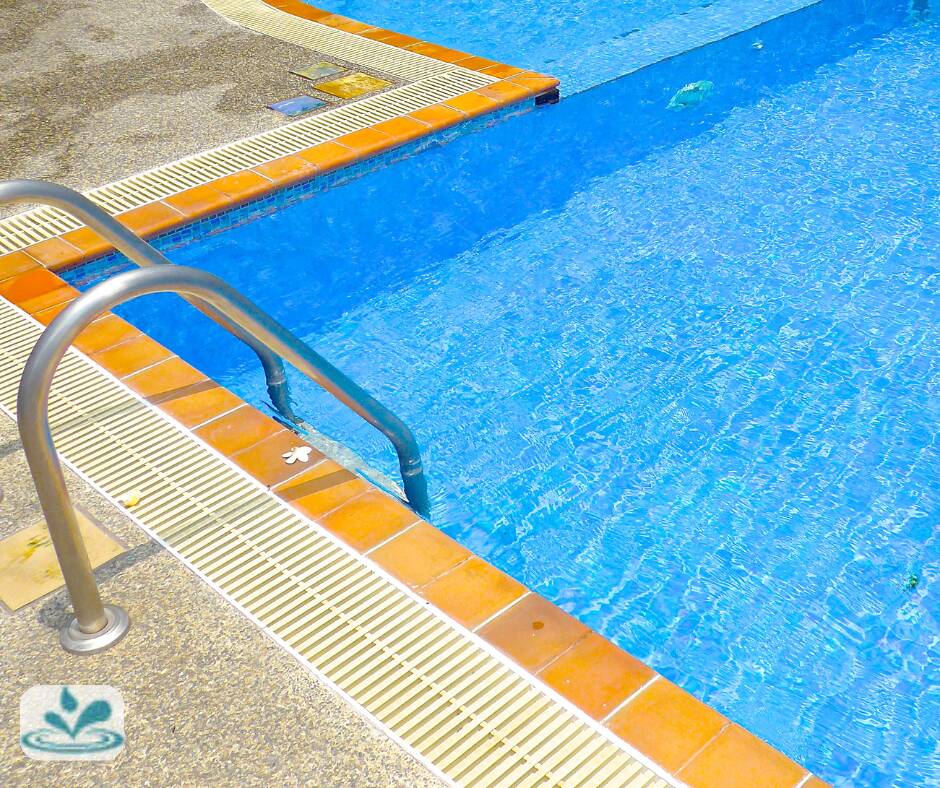
A backyard pool can be one of the best parts of a new home. It can also be one of the most expensive surprises. Before you close, a careful swimming pool inspection tells you what you are really buying.
At KS Pools & Patios, we renovate pools across Bucks County and Montgomery County every year. Many of those projects start the same way: a family bought a home, opened the pool the next summer, and found problems nobody mentioned. We see it in Newtown, Langhorne and Upper Makefield, and just as often in Abington, Upper Dublin and Fort Washington. This guide covers what to check so you go in with your eyes open. When work is needed, our pool renovation services can take it from there.
Why a General Home Inspection Is Not Enough
A standard home inspection is a great start, but it usually does not go deep on the pool. Many home inspectors only take a visual look, and some exclude pools from their reports entirely. Read your inspection agreement carefully so you know what is and is not covered.
A true swimming pool inspection looks at the structure, the plumbing, the equipment and the safety features. Those are the areas where repair bills add up fastest.
What a Swimming Pool Inspection Should Cover
The Shell and Interior Finish
Look for cracks, rough patches, stains and areas where the plaster has worn thin. Small surface cracks can be cosmetic. Long or wide cracks can point to a structural problem. On a fiberglass pool, look for blisters or faded gel coat. If you are not sure which type of pool the home has, our guide to fiberglass or gunite explains the differences.
Tile, Coping and the Deck
Check the waterline tile for cracks or missing pieces. Press on the coping stones to see if any feel loose. Walk the deck and look for sinking, heaving or wide gaps along the pool edge. Pennsylvania freeze and thaw cycles are hard on these areas, which our article on pool deck and patio surfaces explains in more detail.
Plumbing and Leaks
Leaks are the hardest problem to spot on a quick walk-through. Ask whether the owner has had to add water often. Look for soggy spots in the yard or near the equipment pad. If you suspect a leak, a pressure test by a leak detection specialist is worth the cost before you close.
Pumps, Filters and Heaters
Find the age of the pump, filter and heater. Labels and service records help. Older equipment may still run, but it may also be close to replacement. Listen for grinding or rattling noises if the system can be turned on.
Electrical, Lighting and Safety
Pool lights, pumps and heaters run on electricity near water. Have a licensed electrician confirm proper grounding, bonding and GFCI protection. Also check the fence, gates, latches and safety cover. These protect your family and are often part of township requirements.
Buying in the Off-Season: When the Pool Is Closed
Many homes in Bucks and Montgomery County go under contract in fall and winter. By then the pool is usually closed under a cover. That makes a full swimming pool inspection harder, because the water is not circulating and the equipment is winterized.
You still have options. Ask the sellers for photos or video of the pool open and running last season. Ask for service and repair records. Lift the cover where it is safe to do so and look at the tile and coping you can see. Then talk with your real estate agent about how to handle what cannot be checked until spring. Some buyers negotiate a credit or other protection for items that cannot be tested yet.
Questions to Ask the Seller
Good questions often reveal more than a quick look. Before you close, ask:
- How old is the pool, and when was it last resurfaced?
- Who opened, closed and serviced it?
- Has it lost water or needed repairs recently?
- How old is the equipment, and are any warranties transferable?
- Were permits pulled and closed for the pool, deck and heater?
The answers also help you plan ownership. Our inground pool maintenance guide shows what a normal care routine looks like.
Check the Permit History With the Township
In Pennsylvania, pool permits are issued by your local township or borough. Call the township office and ask for the permit history on the property. A deck, heater or fence added without a permit can create headaches later, especially when you sell or renovate. This step is easy, free or close to it, and often overlooked by buyers in both counties.
Repair Costs to Plan For
Pool repairs tend to fall into three groups. Cosmetic work includes tile and plaster refreshes. Mid-level work includes new equipment, coping or decking. Major work includes structural repairs or replacing old plumbing lines.
Knowing which group you are in helps you negotiate with confidence. For real examples, see our post on pool renovation in Bucks and Montgomery County and our straight answer on renovation cost, scope and timing. If a renovation is in your future, pool financing can help spread out the cost.
How KS Pools & Patios Can Help
Every renovation we take on starts with a detailed inspection of the structure, plumbing, interior finish, coping and decking. Whether you just bought a home in Langhorne, Newtown or Upper Makefield in Bucks County, or in Abington, Upper Dublin or Fort Washington in Montgomery County, we can tell you what we see and what it would take to bring the pool back to its best.
Browse our renovation gallery to see older pools we have transformed. Then call us at 215-702-7665 or contact us to talk about your new pool.
Frequently Asked Questions
Does a home inspection include the swimming pool?
Not always. Many home inspectors only give the pool a visual check, and some exclude it entirely. Read your inspection agreement and ask what is covered before you rely on it.
What does a swimming pool inspection look for?
A thorough swimming pool inspection looks at the shell and finish, tile and coping, plumbing and leaks, equipment age and condition, and electrical safety. It should also cover fences, gates and safety covers.
Can you inspect a pool in the winter?
Partly. When a pool is closed, the equipment cannot run and the water is not circulating. You can still review records, ask for photos from last season and check the visible tile, coping and deck.
How do I find out if a pool was permitted?
Call the township or borough where the home is located and ask for the permit history. In Bucks County and Montgomery County, pool permits are handled locally, not by the county.
What are the most expensive pool problems to find?
Structural cracks and underground plumbing leaks tend to cost the most to repair. Old equipment and failing coping are also common. Catching these early gives you room to plan and negotiate.


