
Inground Pool Maintenance: A Simple Guide for PA Owners
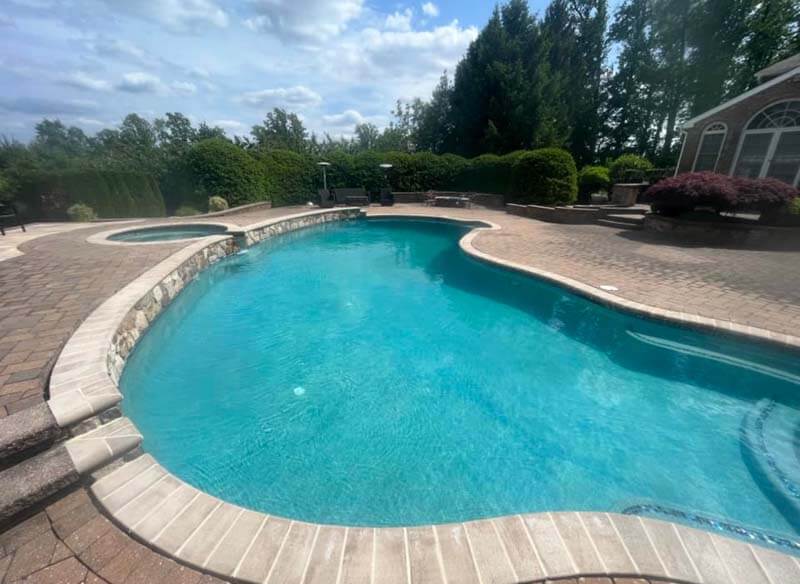
A pool is a major investment, and good inground pool maintenance is what protects it. Stay on top of a few simple routines and your pool stays clean, clear, and ready to swim all summer. Let it slide and you face cloudy water, algae, and costly repairs.
The good news is that inground pool maintenance is not complicated once you know the rhythm. This guide breaks down the basics for Bucks County and Montgomery County owners, whether you have a gunite or fiberglass pool. Follow it and you will spend more time swimming and less time fixing.
Weekly Inground Pool Maintenance Basics
Most pool care happens on a weekly rhythm. Skim the surface to remove leaves and debris. Brush the walls and floor to stop algae from taking hold. Empty the skimmer and pump baskets so water flows freely.
Vacuum the pool to clear anything the skimmer misses. These small tasks take less than an hour a week and prevent the big problems. For busy Montgomery County families, a robotic cleaner handles much of this automatically.
Balancing Your Pool Water
Water chemistry is the heart of inground pool maintenance. Test your water at least once a week. The three numbers that matter most are pH, alkalinity, and sanitizer level. Balanced water is safe, clear, and gentle on the pool surface.
When pH drifts too high or low, the water can irritate skin and damage the finish. Keep test strips or a kit on hand and adjust as needed. Bucks County owners with busy schedules often lean on a pool service for regular testing to keep the numbers right.
Running the Pump and Filter
The pump and filter keep water moving and clean. Run the pump several hours a day so the whole pool turns over. Stagnant water is where algae and cloudiness start.
Clean or backwash the filter on schedule, since a clogged filter cannot do its job. A little attention here saves money on chemicals and keeps the water crystal clear. This step is the same for gunite and fiberglass pools.
Gunite vs Fiberglass Care
The two pool types share most routines but differ in a few ways. A gunite pool has a porous finish, so it needs regular brushing and the right water balance to protect the surface over time. A fiberglass pool has a smooth, non-porous shell that resists algae and usually needs less scrubbing and fewer chemicals.
Either way, the weekly basics and water balance still apply. Knowing your surface helps you fine-tune your inground pool maintenance routine for the best results.
Opening and Closing for the Season
In Pennsylvania, seasonal care matters. Opening the pool in spring means removing the cover, reconnecting equipment, balancing the water, and getting the system running. Closing in fall means balancing, lowering the water, blowing out lines, and covering up to protect against freeze damage.
Done right, these two jobs prevent the most expensive problems. Many Montgomery County and Bucks County owners schedule a pro for opening and closing while handling weekly care themselves.
When to Call a Pro
Some issues need expert help. Persistent algae, cloudy water that will not clear, equipment failure, or surface damage are signs to call a professional. Catching these early keeps a small fix from becoming a big one.
If your pool needs more than routine care, a renovation or resurfacing may be the smarter long-term move. We help PA owners decide when maintenance is enough and when it is time to upgrade.
FAQs
How often should I do inground pool maintenance? Plan on weekly care during swim season. Skim, brush, vacuum, empty baskets, and test the water. Check pump and filter regularly and adjust chemistry as needed.
How do I keep my pool water balanced? Test pH, alkalinity, and sanitizer at least weekly with strips or a kit. Adjust to keep levels in range so the water stays safe, clear, and easy on the surface.
Is fiberglass or gunite easier to maintain? Fiberglass usually needs less work because its smooth surface resists algae and uses fewer chemicals. Gunite needs regular brushing and careful water balance to protect the finish.
How long should I run my pool pump? Run it several hours a day so the entire pool turns over. This keeps water moving, prevents algae, and keeps the water clear.
Should I open and close my pool myself? You can, but many PA owners hire a pro for seasonal opening and closing to avoid freeze damage and equipment issues, then handle weekly care themselves.
Want your pool to look its best with less work? Whether you need a care plan or a full upgrade, we help Bucks County and Montgomery County owners protect their investment. Contact us to talk through your pool’s needs.


